


Billions of tonnes of industrial materials, including steel slag, clay, and coal ash, sit underutilized in stockpiles worldwide. Our CUT CO₂ System transforms these materials into high-performance supplementary cementitious materials (SCMs) for the future of infrastructure.
PROCESS
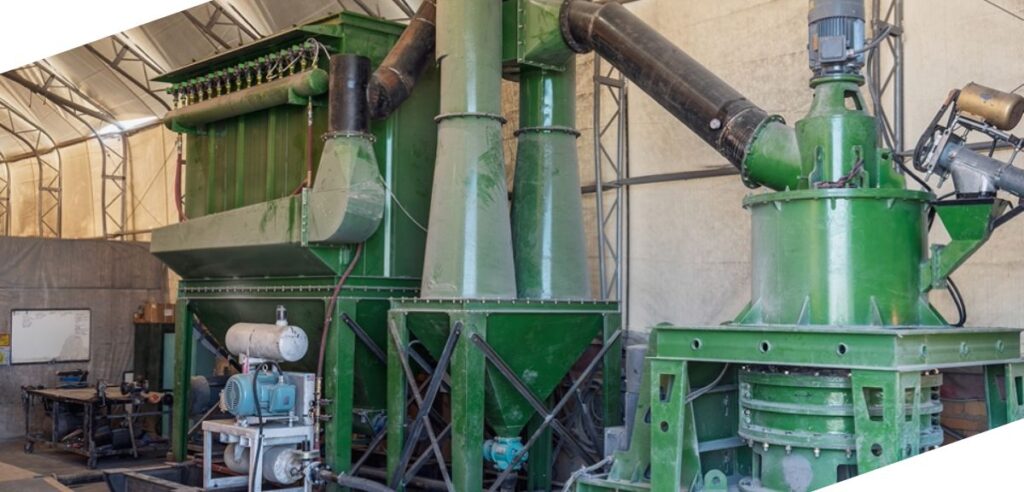
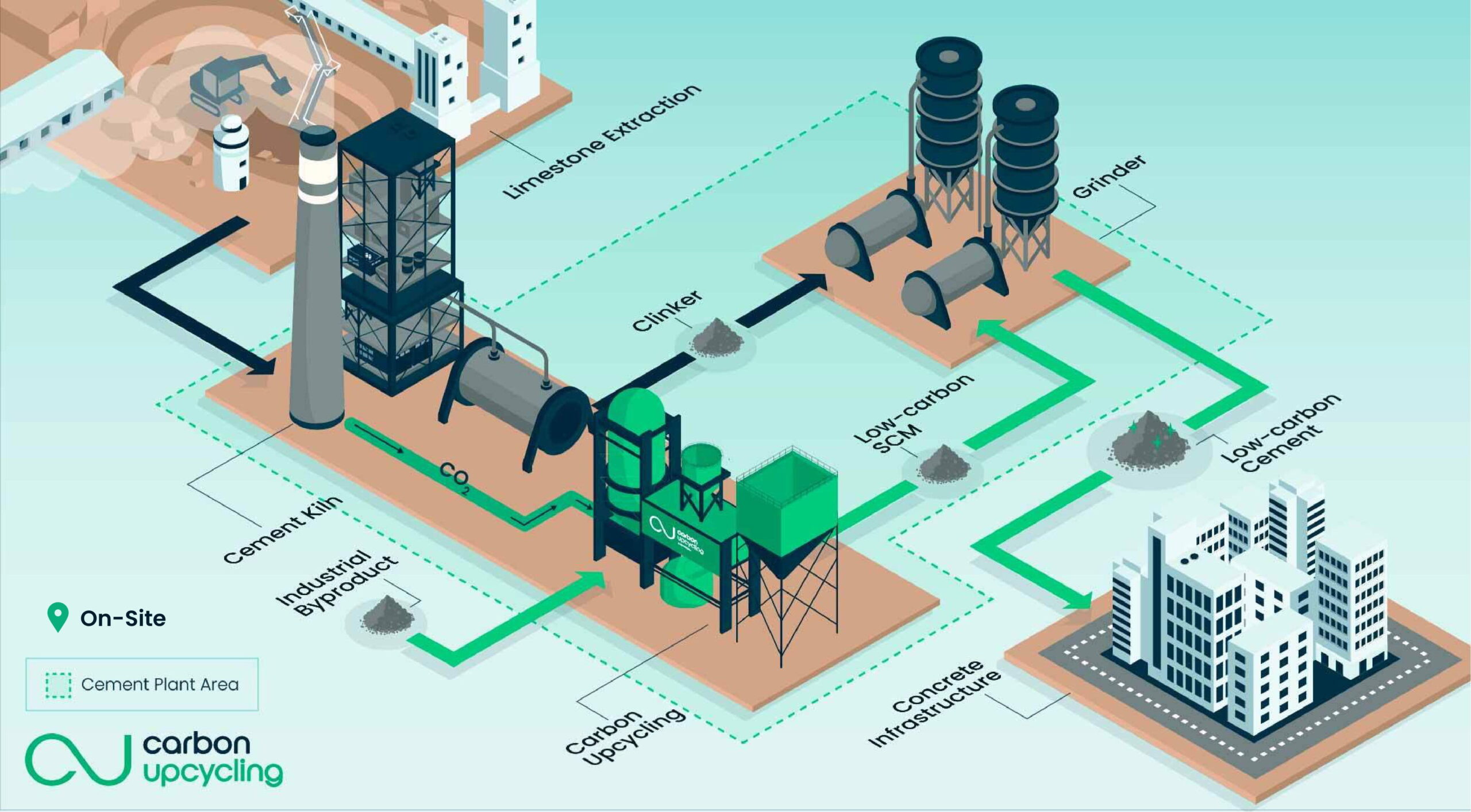
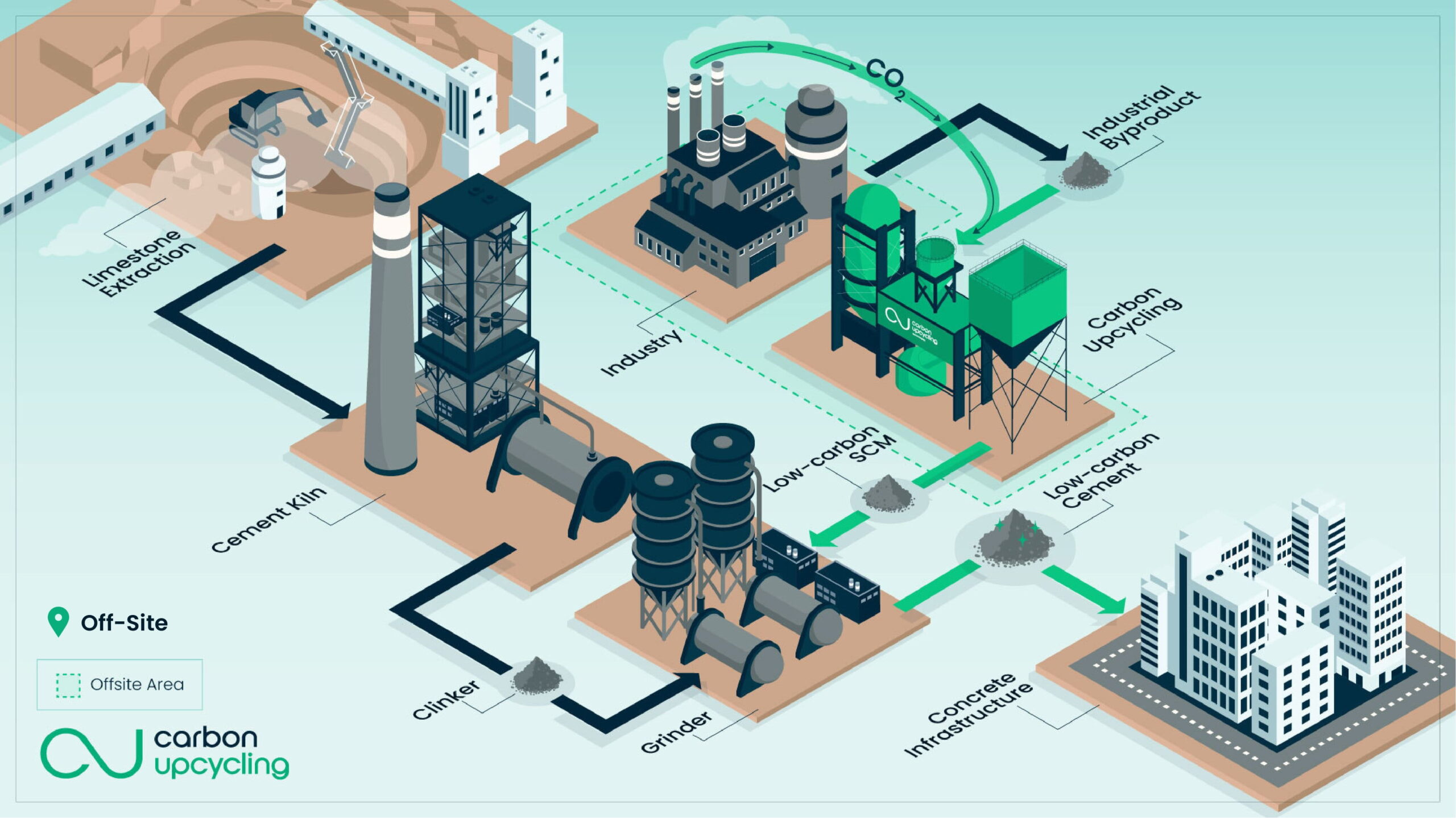
Carbon Upcycling’s CUT CO₂ System captures and repurposes industrial CO₂ and byproducts into SCMs for low-carbon, high-quality cement products. Engineered to integrate with existing facilities, its adaptable design builds on proven components, reducing disruption, simplifying maintenance, and improving operational efficiency.
1. FEEDSTOCK MATERIAL
We source local, low-grade materials to combine with CO2
2. PROPRIETARY TECHNOLOGY
We enhance the material's surface area in the presence of flue gas with our mechanically assisted chemical exfoliation process
3. CEMENT MATERIALS
The result is a CO2-enhanced supplementary cementitious material
SEAMLESS INTEGRATION
The open system operates at ambient temperature in a continuous process aligned with 24/7 industrial operations.
COST-COMPETITIVE PRODUCTION
Materials are produced at cost-parity with or below regional cement prices.
PROVEN IMPACT
The system is readily deployable and is being implemented at one of Canada’s largest cement plants.
ALL-ELECTRIC
The system’s low-energy, all-electric design allows for fossil-free production.
RAPID-RESPONSE
The flexible system can be switched on and off with minimal notice to support peak and off-peak energy conditions.
PROVEN DEPLOYMENT
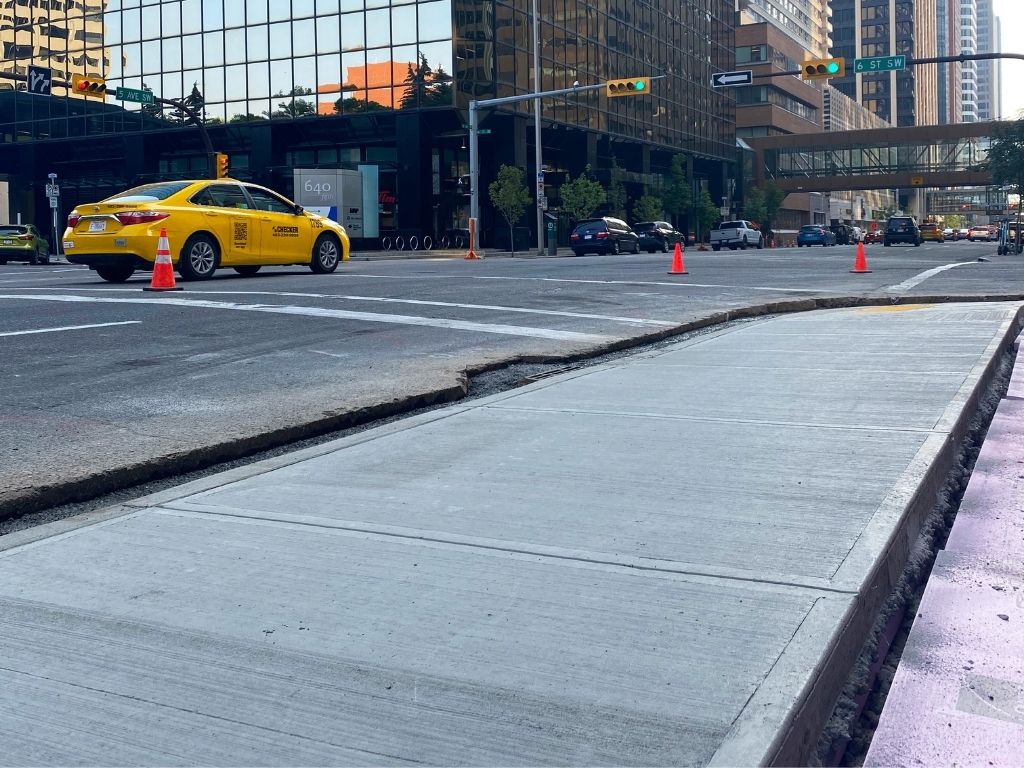
More than 4,000 tonnes of enhanced SCMs in streets, sidewalks, and structural applications across Canada
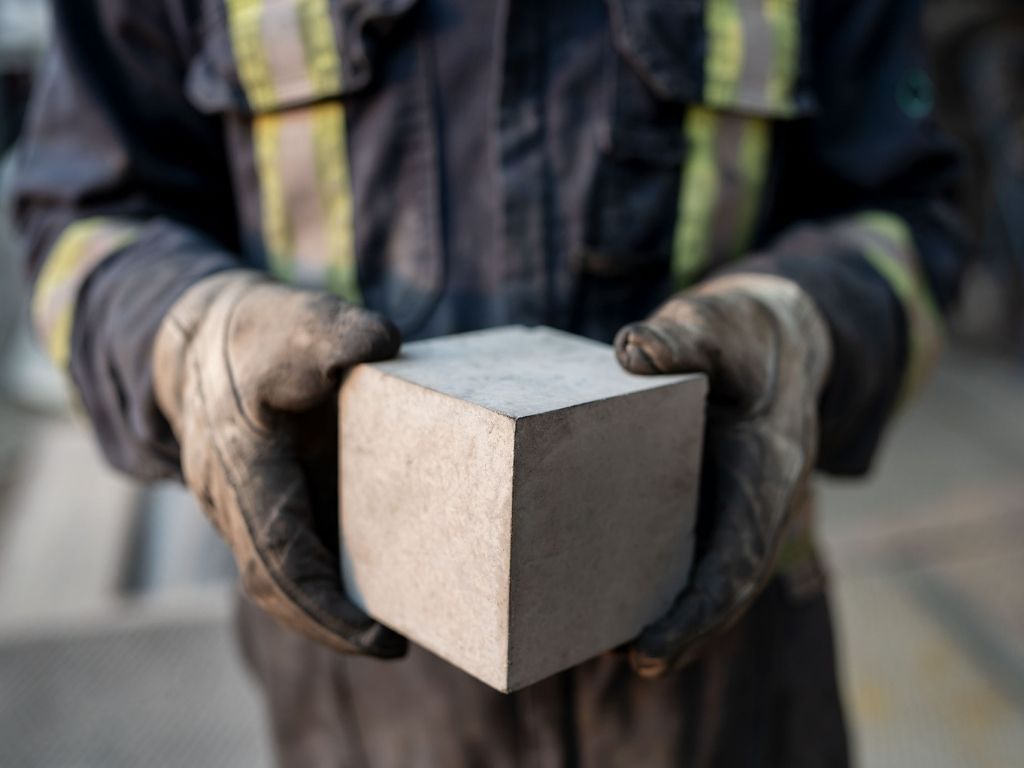
IMPACT
Diverted more than 4,000 tonnes of industrial byproducts from residual piles and tailings ponds while reducing carbon emissions through capture and abatement
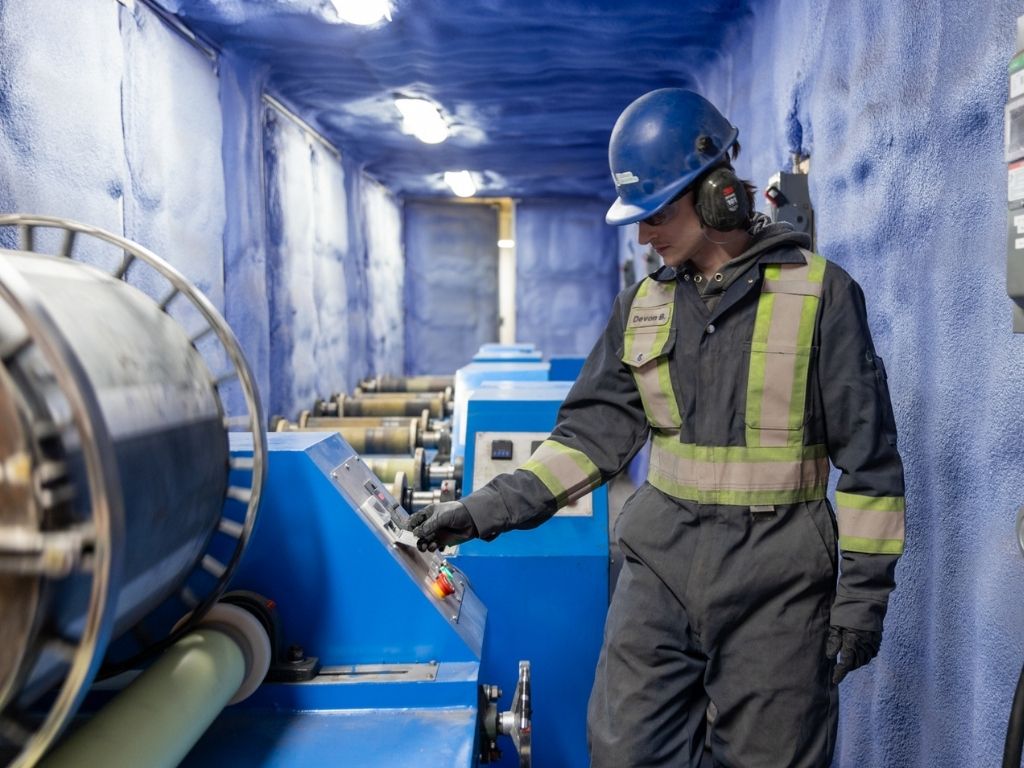
PERFORMANCE
Up to a 40% improvement in early strength compared to conventional cement, and improved climate resilience
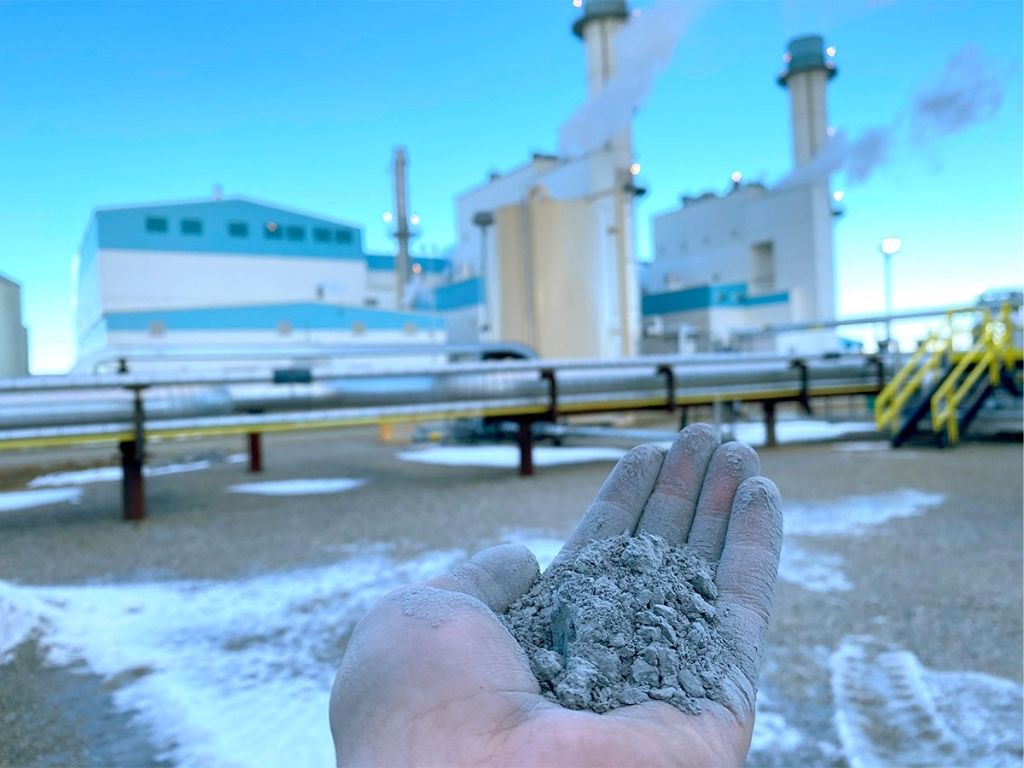
ENVIRONMENTAL ATTRIBUTES
Generation of environmental attributes from carbon reduction through mineralization and carbon avoidance through cement or clinker abatement
Blast furnace slag is widely used as an SCM in cement. However, as steel production shifts from coal-based processes to electric, the supply of blast furnace slags is declining, while alternative steel slags are becoming increasingly more prevalent. Until recently, variable chemistry and performance limitations have restricted the use of electric and basic oxygen furnace slags in cement applications.
Carbon Upcycling’s technology enhances the reactivity and durability of steel slags while reducing risks such as shrinkage and heavy-metal leaching.
Slags we currently work with:
While demand for calcined clays as an SCM continues to grow, adoption is constrained by limited access to high-kaolin deposits and the high-energy processing required.
Carbon Upcycling’s mechanochemical activation technology enables ambient-temperature clay activation, reducing reliance on fossil fuels. It allows lower-kaolin clays to be activated with significantly less energy than calcination, lowering water and energy demand while improving reactivity, durability, and overall material availability.
Clays we currently work with:
Billions of tonnes of legacy coal combustion byproducts remain stored in landfills and tailings ponds. Historically, their co-mingled and low-grade composition has limited recovery and constrained their use in cement decarbonization.
Carbon Upcycling upgrades these off-spec materials to meet or exceed current cement and concrete performance requirements, creating shared value for utilities, cement producers, and the communities they serve.
Coal combustion products we currently work with: